1. Paddock and channel drainage
I start with how water actually leaves the property — drainage channels, paddock grading, and whether it's moving away from buildings or pooling near them.
 Local Pest Co
Floodplain Farm Country
Flat land, cane and cattle paddocks, and a water table that sits close to the surface — Clothiers Creek is floodplain farming country, and drainage matters here more than almost anything else I check. I'm Shannon Kitchener of Local Pest Co, and I plan every visit around how a property actually dries out, not just how it looks on a dry day.
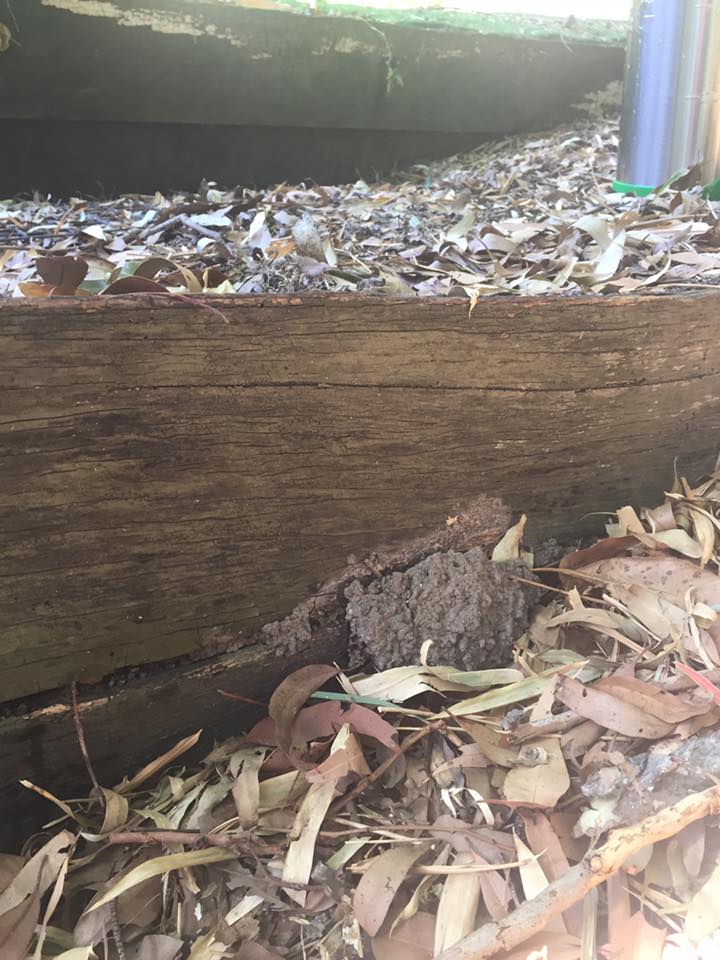
Clothiers Creek sits on the Tweed River floodplain between Tumbulgum and Murwillumbah, and the landscape is doing a lot of the work when it comes to termite pressure here. This is working agricultural land — cane and cattle paddocks, drainage channels, and homesteads that have sat on the same low-relief ground for generations. It's not the humidity or the farming itself that draws termites in; it's how long the ground around a building stays wet after the water is supposed to have moved on.
Older timber sheds close to waterways are a common feature here too, and they carry the same moisture exposure as the house, sometimes worse, since they're often lower-set and less maintained.
I start with how water actually leaves the property — drainage channels, paddock grading, and whether it's moving away from buildings or pooling near them.
Next is how long the ground immediately around the house holds moisture after rain, which tells me more about ongoing risk than the weather on inspection day.
Then the standard entry-point checks — slab edges, subfloor timber, and any point where damp ground is in direct contact with the structure.
Finally, any farm sheds or timber structures near waterways, since they often show activity earlier than the house does.
Active termites get the same first response everywhere: stop the activity, then plan for the long term — see termite removal vs treatment for how that decision works. On floodplain land, prevention leans heavily on drainage. Grading soil away from the house, clearing blocked channels near the building, and keeping garden beds from trapping water against the slab all make a bigger difference here than on higher, better-draining ground. If you'd prefer to limit chemical use around stock or crops, ask about the low-chemical options available.
The Tweed River floodplain around Clothiers Creek does see periodic flooding, and while a single flood event isn't a termite problem by itself, it's the slow drying-out afterwards — days or weeks of saturated ground under and around a home — that keeps conditions favourable for termites.
I'll check any structure you want covered, but the homestead is the priority on most bookings. Sheds and outbuildings near waterways are worth a look too, especially older ones with timber close to the ground, since they can be an early indicator of what's active on the property generally.
It can. Regular irrigation near the foundations does the same thing as poor drainage: it keeps the ground damp for longer than it would dry naturally, which is the main thing I'm checking for around slab edges and subfloor areas.
On flat, low-lying land like Clothiers Creek, water has nowhere to run off to, so I'm focused on how well a property drains and how quickly the ground around it dries out. On a hillside property the concern is usually the opposite — where run-off concentrates as it moves downhill.
It sits between Tumbulgum and Murwillumbah on my regular service run, so I'm usually already in the area. Call and I'll confirm the next suitable slot.
Call 0405 508 035 and let me know if you've had recent flooding or drainage issues on the property — it changes where I look first.
Local, owner-operated, and used to working farmland, not just house blocks.