
Kingscliff Termite Specialists
Termite Removal vs Treatment
Get clarity on immediate termite action, elimination strategies and long-term prevention that suits your property.
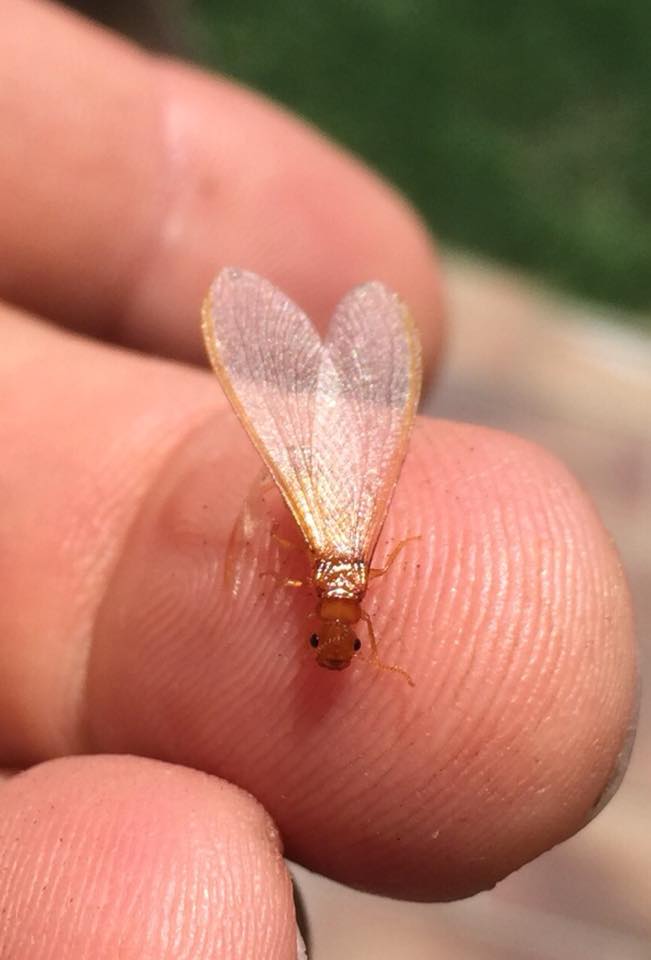
Termite Removal vs Termite Treatment: What Homeowners Actually Need to Know
When people call me in Kingscliff and say they need termite “removal,” they usually mean they want the problem gone immediately. That makes sense, especially when you have just found active termites in a wall, skirting board or subfloor timber. In practical terms, removal is the urgent phase: stopping active feeding, targeting the termites you can locate, and reducing immediate damage pressure on the structure.
“Treatment,” on the other hand, is broader and more strategic. Treatment is about long-term property protection, not just knocking down what you can see today. A treatment plan may include direct colony work, perimeter protection, risk reduction around the home, and ongoing monitoring. In a high-pressure coastal area like Kingscliff, this distinction matters because termite activity can return from nearby colonies even after one active point is controlled.
For most properties, the right answer is not removal or treatment. It is removal within a treatment plan. I inspect first, confirm where activity is present, explain the immediate action, and then map out what prevents recurrence over the next 12 months and beyond.
Choosing Between a Chemical Barrier and a Baiting/Monitoring System
A chemical soil barrier is often the right choice when we need robust perimeter protection around the structure and suitable access exists to install that barrier correctly. This approach creates a treated zone that termites pass through when they attempt to enter. It can be very effective for homes where construction details and site layout allow full or near-full coverage around the building footprint.
Baiting and monitoring systems are often better suited where full barrier continuity is difficult, where owners want a reduced-intervention approach, or where ongoing surveillance is especially valuable. With baiting systems, foraging worker termites feed on bait and carry it back through the colony. That sharing behaviour is what allows colony suppression over time. Monitoring stations are checked on a scheduled basis so activity is picked up early, before major structural feeding occurs.
On many Kingscliff properties, I recommend a combined strategy: direct action on active termites now, plus either a barrier or a monitoring program aligned to the construction type, landscaping, soil conditions and budget. My role is to explain trade-offs clearly so you can choose a plan that is practical, defensible and sustainable.
What Happens on Treatment Day, Timelines, and Follow-Up
On the day, I begin with a final confirmation of active zones and access points, then complete the agreed treatment method step by step. I explain what I am doing while on site, what areas need temporary exclusion, and what signs to watch over the coming weeks. For many homes, the initial service is completed in a single visit, but full management is measured over a longer timeline because termite pressure does not disappear overnight.
Typical timelines vary by method and property conditions. Direct activity control can occur immediately, while colony suppression and site stabilisation may take additional weeks. Monitoring-based plans rely on scheduled inspections and station checks to confirm progress. Barrier-based plans rely on integrity of coverage and periodic verification that risk conditions around the home have not undermined performance.
Follow-up is where long-term value sits. I provide reporting, recommend annual inspections as a baseline, and schedule earlier reviews when risk is elevated. If termites return, we reassess quickly, identify the pathway, and update the management plan rather than guessing. In Kingscliff, consistency beats one-off reactions every time.
Frequently Asked Questions
Is termite removal enough on its own?
Usually no. Removal addresses immediate activity, but treatment planning is what protects the property from reinvasion by nearby colonies.
How long does termite treatment take to work?
Initial control can begin immediately, while full outcomes depend on the method used, colony behaviour and follow-up checks over the weeks that follow.
Do I need annual inspections after treatment?
Yes. Annual inspections are a practical baseline in Kingscliff due to ongoing coastal termite pressure and changing site conditions.
What happens if termites return after treatment?
I reassess the property, confirm entry points or new activity zones, and adjust the plan so protection remains targeted and current.
If you want clear advice on the right option for your home, call 0405 508 035 to book a termite assessment in Kingscliff. You will deal directly with Shannon and get a practical treatment path, not a generic upsell.
Essential Contact Details
Phone: 0405 508 035
Email: Thelocalpestco@bigpond.com
Street Address: 23 Dinsey Street, Kingscliff NSW 2487
Facebook: https://www.facebook.com/Localpestco/
Instagram: https://www.instagram.com/xstream_fly/
Local Conditions That Commonly Increase Pest Risk in Kingscliff
Across Kingscliff, I regularly see termite and pest pressure increase where moisture, ground contact timber, and dense vegetation combine around the building perimeter. Coastal humidity, seasonal rain and shaded garden beds can all keep materials damp for longer, which gives termites and other pests better survival conditions.
During inspections I focus on practical, property-specific risk points you can act on straight away without changing the scope of your service. Common issues include:
- Garden beds, mulch or soil built up against external walls and slab edges.
- Stored timber, old stumps, fencing offcuts or cardboard left close to the house.
- Poor subfloor ventilation, leaking taps or drainage run-off that keeps foundations damp.
- Gaps around service penetrations and hard-to-see entry points near wet areas.
By identifying these local conditions early, we can pair inspection and treatment advice with simple prevention steps so the property stays lower-risk between scheduled visits.
NSW EPA licence details
Local Pest Co is owner-operated by Mr Shannon Kitchener under NSW EPA licence 5073077 (status: Issued).
Licence class: PMT-TP Pest Management Technician (Timber Pest Control). Issued on 20/02/2025 and valid until 14/01/2030.