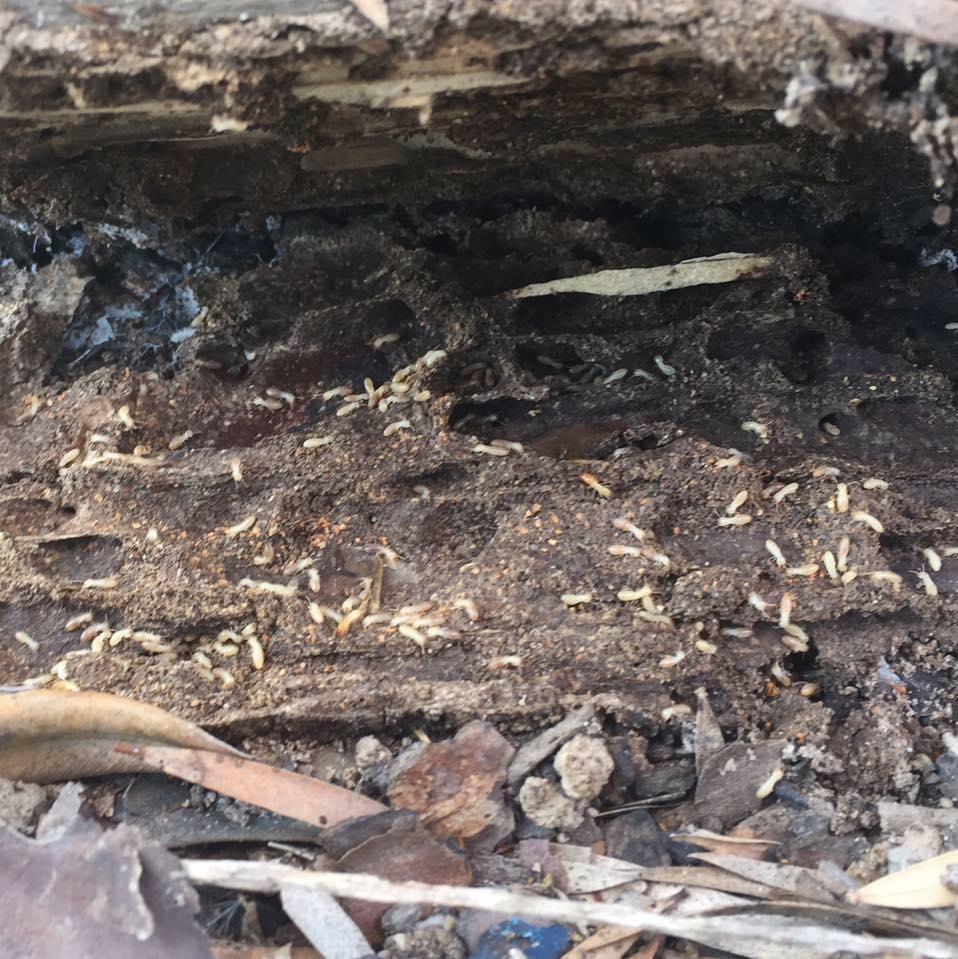
If a previous inspection or building report already flagged damage, read through buying a property with termite damage before you decide how to proceed.
For Sellers: Avoid Surprises Mid-Contract
A pre-sale inspection lets you address any termite findings on your own terms — repair, treat or disclose — before a buyer's inspector raises them during negotiations. It also gives prospective buyers confidence that the property has been checked, which can help keep a sale on track once it's under contract.
Where treatment is recommended, I explain the realistic options using the same approach covered in termite removal vs treatment in Kingscliff, so you can decide what to action before listing.
What to Expect on the Day
I inspect all accessible structural timbers, subfloor spaces, roof voids, slab edges, wet areas and the external perimeter, and explain findings in plain language on site. See the inspection preparation checklist for how to get the property ready for access beforehand, and the termite inspections overview for what the wider inspection process involves.
Before you commit to a purchase or lock in a listing price, a subfloor or roof void you can't get into is the last place you want left unchecked. Where a crawl space or void is too tight or unsafe to enter, I record it as restricted in the report and tell you what it would take to get in, so you can weigh that before you sign rather than finding out after. On walls and ceilings where a closer look at surface temperature is worthwhile, I use a thermal imaging camera.
Frequently Asked Questions
Do I need a separate inspection if I'm both selling and buying?
Yes. Each property should be assessed on its own; a pre-sale inspection on the home you're listing does not cover the home you intend to buy.
How long does a pre-purchase or pre-sale inspection take?
Timing depends on the size and accessibility of the property, but I schedule visits to fit around settlement and listing deadlines wherever possible.
What happens if termites are found?
I explain the extent of any activity or damage and outline realistic treatment options so you can factor that into negotiations or listing decisions.
Local Conditions That Commonly Increase Pest Risk in Kingscliff
Across Kingscliff, I regularly see termite and pest pressure increase where moisture, ground contact timber, and dense vegetation combine around the building perimeter. Coastal humidity, seasonal rain and shaded garden beds can all keep materials damp for longer, which gives termites and other pests better survival conditions.
During inspections I focus on practical, property-specific risk points you can act on straight away without changing the scope of your service. Common issues include:
Garden beds, mulch or soil built up against external walls and slab edges.
Stored timber, old stumps, fencing offcuts or cardboard left close to the house.
Poor subfloor ventilation, leaking taps or drainage run-off that keeps foundations damp.
Gaps around service penetrations and hard-to-see entry points near wet areas.
By identifying these local conditions early, we can pair inspection and treatment advice with simple prevention steps so the property stays lower-risk between scheduled visits.
NSW EPA licence details
Local Pest Co is owner-operated by Mr Shannon Kitchener under NSW EPA licence 5073077 (status: Issued).
Licence class: PMT-TP Pest Management Technician (Timber Pest Control). Issued on 20/02/2025 and valid until 14/01/2030.
Buyer and seller priorities are different
For a buyer
Use the report to identify accessible evidence, noted limitations and conditions that warrant further enquiry before deadlines expire. Match the property address and inspection date, read the whole limitations section, and refer structural, contractual or cost questions to the appropriate qualified adviser. Do not treat “no visible evidence” as a promise about concealed areas.
For a seller
Gather earlier pest reports, treatment records, renovation information and access details so the inspection context is clear. A seller generally needs an accurate account of what was accessible and observed, not language designed to minimise a finding. Ask a conveyancer about disclosure obligations rather than relying on pest content as legal advice.
Fastest answer is a phone call directly to Shannon. If you prefer to send details or property photos by email, write to Thelocalpestco@bigpond.com and I will get back to you promptly.
Already been quoted for termite treatment by someone else? I am happy to give a second opinion before you commit. And if your job is bigger than I take on, I will tell you straight away and point you to someone I trust.