
Kingscliff Termite Specialists
Holiday Home Termite Control in Kingscliff
Holiday and short-stay properties can hide termite activity for long periods. We build practical protection schedules.
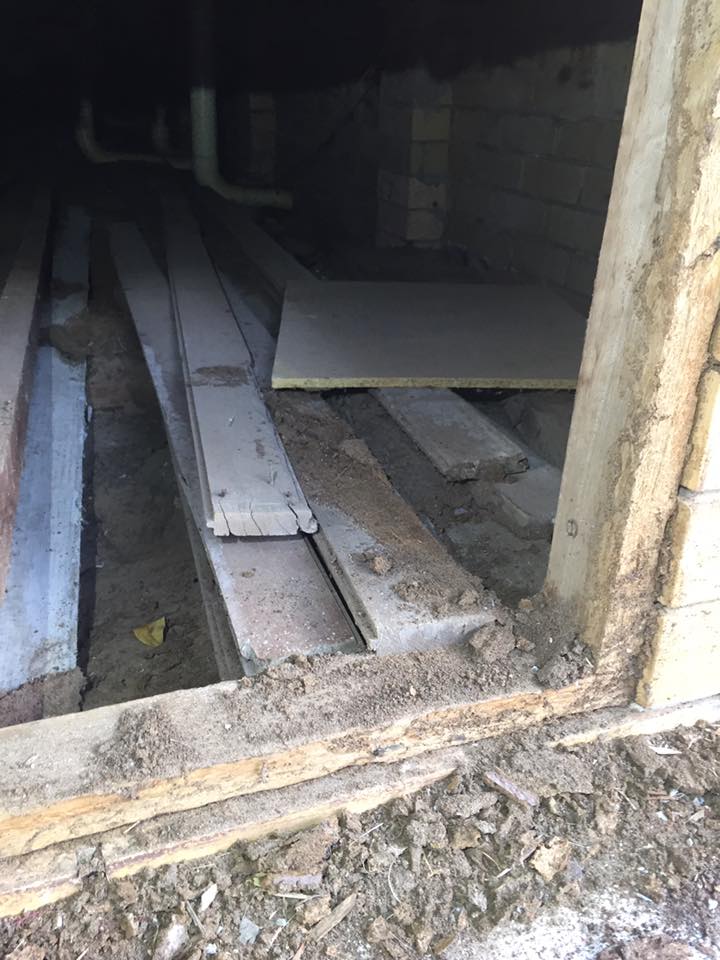
Why Holiday Homes Face Higher Termite Risk
Holiday homes are often vacant for long stretches, and that vacancy increases termite risk in ways owners do not always expect. In an occupied home, small warning signs are more likely to be noticed quickly: a sticking door, a bubbling paint line, faint mud traces near slab edges, or unusual moisture in a utility area. In an unoccupied property, these signals can go unseen for weeks or months.
Kingscliff conditions amplify that problem. Coastal humidity, warm seasonal patterns and sandy soils can support steady termite foraging pressure, especially around gardens, retaining edges and moisture-prone subfloor zones. When no one is onsite day to day, activity can progress from early incursion to significant timber impact before the next guest or cleaning team reports concerns.
That is why holiday homes need a scheduled protection approach rather than ad-hoc checks between bookings. The objective is early detection, reliable documentation and coordinated intervention before damage becomes expensive and disruptive.
What a Practical Protection Schedule Looks Like
A holiday property protection schedule typically starts with a baseline inspection, then sets recurring checks at intervals matched to the property’s risk profile. Homes with previous termite history, dense landscaping, high moisture load or long vacancy periods usually need closer monitoring than low-risk sites.
Each visit focuses on accessible structural areas, external entry risk points, moisture conditions and any recent changes around the building perimeter. The goal is not only to find termites, but to identify the conditions that invite them. This allows preventative adjustments before activity establishes inside structural timber.
When treatment is required, I provide a staged plan with clear timelines so owners can align works with booking calendars and maintenance windows. This keeps protection practical for a real short-stay business environment while still prioritising structural risk management.
Working with Property Managers and Owner Self-Checks
If your home is managed remotely, I can coordinate access through your property manager, caretaker or authorised keyholder. That means inspections and follow-up can continue even when you are interstate or overseas. You receive clear findings and next-step recommendations so decisions can be made quickly without uncertainty.
Between scheduled inspections, owners and managers should still watch for key warning signs during turnovers: fresh mud trails, unexplained timber softness, paint distortion, moisture accumulation near wet areas, or insect activity around external service penetrations. These observations do not replace professional inspection, but they help trigger faster response when something changes.
With a documented schedule and consistent communication, holiday home protection becomes manageable and predictable. You are no longer relying on chance discovery by guests; you are running a proactive risk program for one of your highest-value assets.
Frequently Asked Questions
Are vacant holiday homes really more vulnerable to termites?
Yes. Extended vacancy means fewer opportunities to spot early warning signs before damage advances.
Can inspections be arranged through my property manager?
Absolutely. Access and reporting can be coordinated directly with your manager or caretaker.
How often should a holiday home be inspected?
At least annually, with tighter intervals for homes with higher risk factors or prior termite activity.
What should I check between inspections?
Look for mud leads, paint bubbling, moisture build-up, and any new timber changes around entry points.
To set up a proactive termite protection schedule for your Kingscliff holiday home, call 0405 508 035. I can coordinate directly with your property manager and keep reporting simple and actionable.
Essential Contact Details
Phone: 0405 508 035
Email: Thelocalpestco@bigpond.com
Street Address: 23 Dinsey Street, Kingscliff NSW 2487
Facebook: https://www.facebook.com/Localpestco/
Instagram: https://www.instagram.com/xstream_fly/
Local Conditions That Commonly Increase Pest Risk in Kingscliff
Across Kingscliff, I regularly see termite and pest pressure increase where moisture, ground contact timber, and dense vegetation combine around the building perimeter. Coastal humidity, seasonal rain and shaded garden beds can all keep materials damp for longer, which gives termites and other pests better survival conditions.
During inspections I focus on practical, property-specific risk points you can act on straight away without changing the scope of your service. Common issues include:
- Garden beds, mulch or soil built up against external walls and slab edges.
- Stored timber, old stumps, fencing offcuts or cardboard left close to the house.
- Poor subfloor ventilation, leaking taps or drainage run-off that keeps foundations damp.
- Gaps around service penetrations and hard-to-see entry points near wet areas.
By identifying these local conditions early, we can pair inspection and treatment advice with simple prevention steps so the property stays lower-risk between scheduled visits.
NSW EPA licence details
Local Pest Co is owner-operated by Mr Shannon Kitchener under NSW EPA licence 5073077 (status: Issued).
Licence class: PMT-TP Pest Management Technician (Timber Pest Control). Issued on 20/02/2025 and valid until 14/01/2030.