Headland-side timber
Decks, balustrades and stair stringers exposed to onshore weather, where paint and sealant break down fastest and moisture gets in first.
 Local Pest Co
Small Headland Village
Hastings Point is barely a dozen streets between the boat ramp and the headland, and I treat it that way — not as a suburb I pass through on the way somewhere bigger. I'm Shannon Kitchener, owner-operator of Local Pest Co, and termite inspections, treatment and prevention here are work I do myself, start to finish.
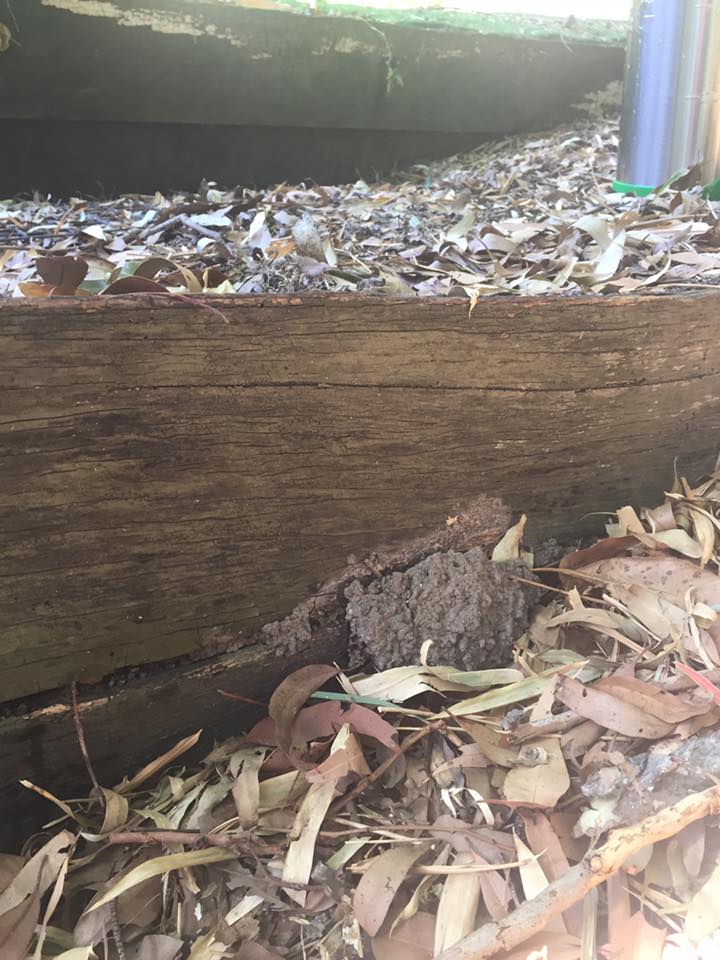
Walk out most front doors in Hastings Point and you're closer to the headland walking track or the boat ramp than you are to a main road. It's a tightly held pocket of the Tweed Coast — a lot of the cottages here have stayed with the same families for years, and turnover is slower than in Pottsville or Cabarita Beach on either side of it. That matters for termite risk, because older beach cottages built low to the ground carry a different risk profile to a newer build, especially after decades of salt-laden weather and creek moisture.
The termite pressure I see most often here isn't really about the sand — it's about moisture. Onshore weather keeps deck timber, stair stringers and low subfloor clearances damp for longer than they'd stay a few kilometres inland, and at the northern end of the village, ground near the Cudgera Creek mouth holds that dampness longer again.
Hastings Point has stayed low-set and low-key, which is a big part of its appeal — but it also means more exposed timber per property than you'd find in a strata block further up the coast. Externally clad stairs, deck timber and pergolas sit in full weather here, and they're usually the first place I check.
If your place has had a recent deck rebuild, re-stumping or new landscaping, mention it before I start. Disturbed ground and new timber both change what I'm looking for and where.
Decks, balustrades and stair stringers exposed to onshore weather, where paint and sealant break down fastest and moisture gets in first.
Many cottages here sit low and close to the ground. I check clearance, ventilation, and any point where soil is bridging up to timber underneath.
Properties toward the Cudgera Creek mouth get extra attention on drainage and ground moisture, which stays elevated longer than blocks further into the village.
Where I find active termites, the first job is stopping activity — not debating chemical versus non-chemical treatment on the spot. Once that's under control, we work through the right long-term option together; see termite removal vs treatment for how I explain the choices.
For prevention, most Hastings Point properties benefit from clearing gaps under deck timber, keeping garden beds from banking soil against stumps or cladding, and a standing reinspection date rather than waiting for a problem to surface on its own. If you'd rather keep chemical use to a minimum around a family home or holiday-let, ask about the low-chemical options I use.
I work with permanent residents, owners who holiday-let their cottage, and buyers weighing up an older Hastings Point property before they commit. If you manage a place remotely, I'll photograph everything and talk you through the findings by phone — you don't need to be standing next to me on the day. More on how I work is on the About Shannon page.
It changes what I look for more than how often. A tenant moving through every week or two won't necessarily notice or report early signs the way an owner-occupier would, so I still recommend an annual check, ideally timed before your busiest letting season rather than after it.
Salt air itself isn't what draws termites in. The real driver is moisture — onshore weather keeps deck timber, stair stringers and low subfloor clearances damp for longer than they'd stay a few kilometres inland, and that damp timber is what termites are after.
Often yes. Low-lying ground near the creek mouth holds moisture longer after rain, so I pay extra attention to drainage and subfloor damp on that end of Hastings Point compared with blocks further back from the water.
Ask whether it's had a termite inspection in the last twelve months and whether any previous treatment is documented. If not, I can carry one out as part of your due diligence alongside a broader pre-purchase inspection, before you're locked into a contract.
Usually, yes. Hastings Point sits right between them, so I'm often already working one side or the other and can slot a Hastings Point booking in without you waiting on a dedicated visit.

Call 0405 508 035 and tell me roughly where your place sits in the village — headland side, creek side, or further back — and I'll let you know what to expect before I arrive.
Owner-operated, local, and no call centre in between.