
Kingscliff Termite Specialists
Thermal Imaging Termite & Pest Detection
A thermal imaging camera reads the temperature of a surface, which can point to moisture, damaged insulation or an active nest behind a wall, ceiling or subfloor lining before anything gets opened up.
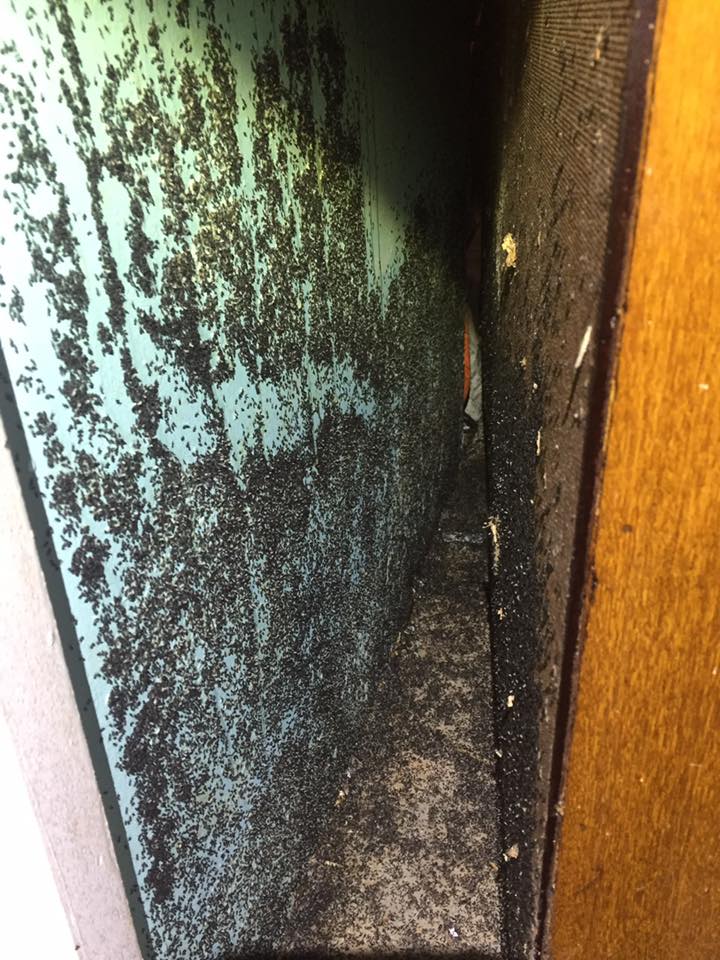
What a Thermal Camera Actually Does
A thermal imaging camera doesn't see through walls, and it doesn't photograph termites. What it does is turn surface temperature into a picture, so a patch that's slightly warmer, cooler or more even than the material around it stands out. Damp timber behaves differently to dry timber. A void with degraded or missing insulation reads differently to one that's intact. Those differences are subtle enough that eyes alone miss them, but a thermal camera makes them visible.
I use it as a scanning step during an inspection, not as a device that hands me an answer on its own. It tells me where to spend more time, not what's necessarily there.
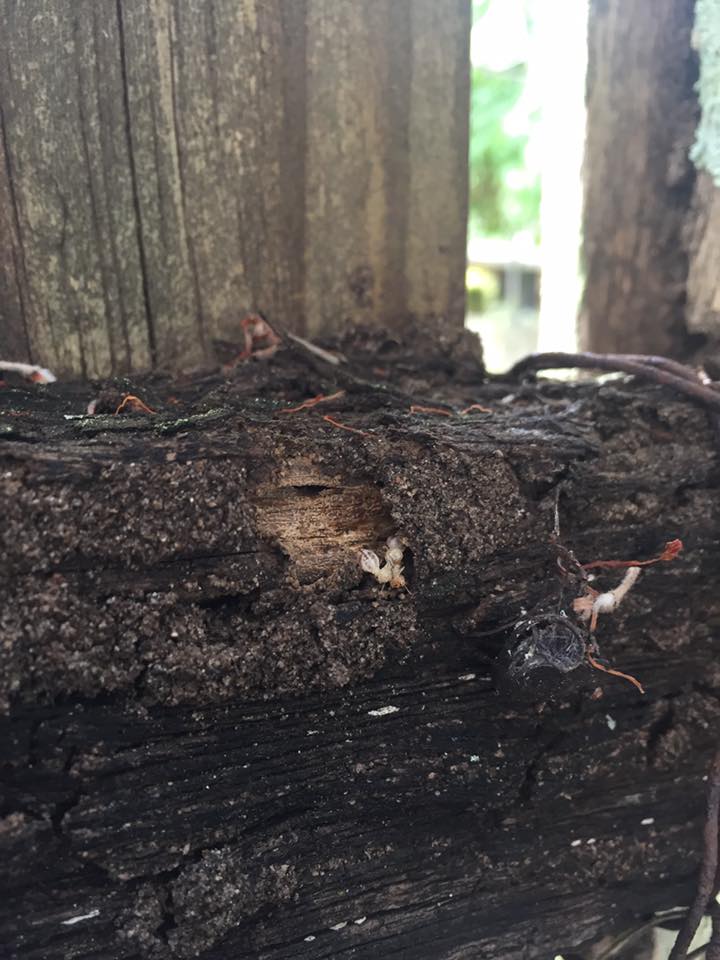
Being Honest About Its Limits
A camera reading is not proof of termites, and I won't tell you it is. A warm or cool patch on the screen can just as easily be a plumbing line, a gap in wall insulation, a section that's had more sun on it, or a rendering difference from a past repair. What a reading gives me is a reason to look closer at a specific spot — with a moisture meter, a timber probe, or by asking you about the property's history — rather than treating the whole wall as a black box.
The same caution applies the other way: a clear scan on an accessible wall doesn't mean every concealed cavity in the building is guaranteed free of activity. It's one more piece of evidence added to the visual inspection, not a replacement for it.
Where It Earns Its Place in a Kingscliff Home
Not every property needs a thermal scan, and I don't run one as a box-ticking exercise. It's most useful where there's a genuinely concealed area worth a second look:
- Bathroom and laundry walls, where a slow leak can sit behind tiles for months. See termites in bathrooms and wet areas for why these spots need extra attention.
- Ceiling voids and cornices below a roof that's had recent storm damage or ponding.
- Slab-edge zones in concrete-slab homes, where the visible edge is accessible but the path termites take underneath usually isn't — covered in more depth on termites and concrete-slab homes.
- Subfloor bearers and joists in the sections I can reach on foot, particularly after wet weather.
Fewer Walls Opened for No Reason
The alternative to scanning is often guessing, and guessing tends to mean either ignoring a concern or cutting into a wall that turns out to be clean. A thermal reading helps narrow that down first, which means fewer unnecessary holes in your walls and fewer treatments applied to areas that didn't need them — in keeping with the same low-chemical, least-intervention approach I bring to treatment decisions generally.
Persistent moisture is also worth ruling out on its own terms, separate from termite activity. If a scan picks up a damp patch, that's covered in more detail in termites and moisture around a building.
Frequently Asked Questions
Can thermal imaging see termites through a wall?
Not directly. A thermal camera reads surface temperature, not termites. It can flag a patch that's warmer, cooler or damper than the surrounding material, which is then worth checking by other means — it doesn't photograph insects inside a cavity.
Does thermal imaging replace the physical inspection?
No. It's a scanning step I add to the standard visual inspection, not a substitute for it. Anywhere accessible still gets checked by hand, by eye and with a moisture meter or probe where appropriate.
Why would a normal-looking wall show something on camera?
Plenty of reasons unrelated to termites: missing insulation, a plumbing line, a draught gap, or just how the sun has been hitting that wall. A thermal reading tells me where to look closer, not what I'll find there.
Is this a standalone service or part of a full inspection?
It's a tool I bring into a standard termite or pest inspection where the property suits it, rather than something booked separately. Where a void is also hard to physically reach, I'll sometimes pair it with a drone flight to get the camera into position.
Got a wall, ceiling or wet area that's had you wondering for a while? Call 0405 508 035 and describe what you've noticed, and I'll let you know whether a thermal scan is a sensible addition to your inspection.
Essential Contact Details
Phone: 0405 508 035
Email: Thelocalpestco@bigpond.com
Street Address: 23 Dinsey Street, Kingscliff NSW 2487
Facebook: https://www.facebook.com/Localpestco/
Instagram: https://www.instagram.com/xstream_fly/
Part of a Full Termite & Pest Inspection
Thermal scanning sits alongside the standard visual inspection described in the termite inspections overview, and alongside drone access where a void also needs a camera flown into it. For the full picture of how findings turn into a plan, see termite treatment planning or browse the termite knowledge centre.
NSW EPA licence details
Local Pest Co is owner-operated by Mr Shannon Kitchener under NSW EPA licence 5073077 (status: Issued).
Licence class: PMT-TP Pest Management Technician (Timber Pest Control). Issued on 20/02/2025 and valid until 14/01/2030.
Book a thermal imaging inspection
Fastest answer is a phone call directly to Shannon. If you prefer to send details or property photos by email, write to Thelocalpestco@bigpond.com and I will get back to you promptly.