
Kingscliff Termite Specialists
Drone-Assisted Termite & Pest Inspections
For the crawl spaces, subfloors and roof voids that are too tight, too wet or too unsafe to enter directly, I fly a drone in first so nothing gets skipped.
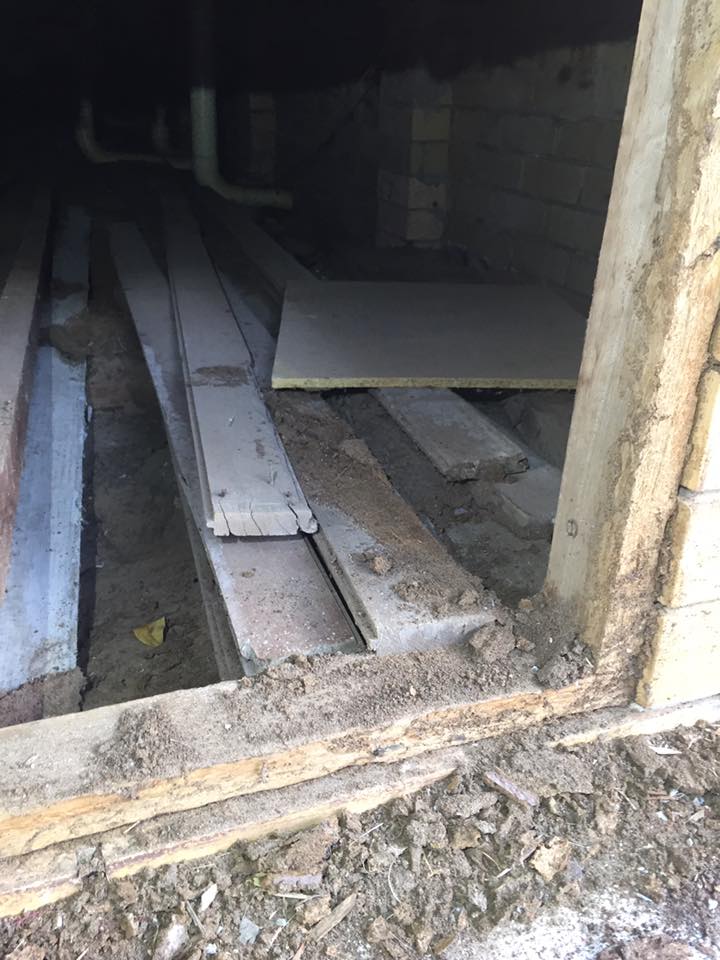
Why a Drone, and Why Only Sometimes
Most Kingscliff properties don't need anything more than a thorough, hands-on look through the subfloor, roof void and external perimeter — that's still the core of every inspection I do, and it covers the large majority of homes I visit. But every so often a property has a section that a person genuinely shouldn't crawl into: a subfloor with fifteen centimetres of clearance, a roof void over a raked ceiling with no safe walking path, or a low-set beach cottage where the void has been closed in since it was built.
Rather than leaving that section as a guess, I fly a small drone in to get eyes on it. It's a tool I reach for when it's needed, not something bolted onto every job for the sake of it — the same approach I take with treatment methods and chemical use.
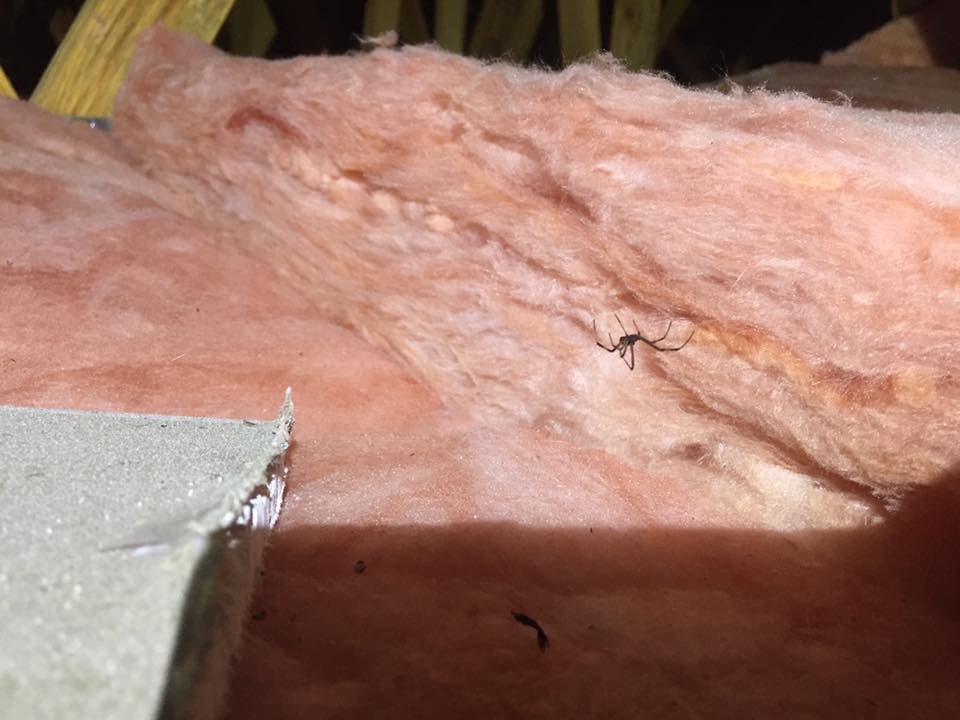
Where It Makes the Biggest Difference in Kingscliff
Kingscliff's mix of low-set coastal cottages, raised timber homes and newer two-storey builds means access varies enormously from one property to the next. The situations where a drone genuinely earns its place include:
- Subfloors under older beach houses with barely enough clearance to slide through, let alone inspect properly.
- Steep or vaulted roof voids where there's no safe walking path across the ceiling joists.
- Sections of subfloor sitting in standing water or soft mud after heavy rain, where entering on foot isn't sensible.
- Voids that back onto a boundary fence or a neighbouring structure with no side access at all.
What It Doesn't Replace
A drone camera is useful for exactly one thing: getting a look into a space a person can't safely reach. It doesn't replace the physical part of an inspection under AS 3660.2 — probing timber, checking for hollow sections by feel, or getting close enough to confirm what a mud lead or a stain actually is. Anywhere I can access safely on foot, I still do that in person.
What footage from a restricted void gives me is a genuine read on conditions I'd otherwise have to guess at: whether there's moisture pooling, whether old mud workings are visible on a stump or bearer, and whether the void is ventilated and clear or choked with stored material and offcuts. If something in the footage needs a closer look, I say so plainly rather than treating a flyover as the final word.
Less Disturbance to Your Property
Sending a drone into a tight roof void instead of a person also means less disturbance to insulation batts, ceiling linings, stored boxes and wiring that a crawling inspection can shift or damage. For Kingscliff's older weatherboard and fibro cottages especially, that matters — a heavy-handed inspection can create its own problems in a roof space that hasn't been touched in years.
It fits the same thinking behind my low-chemical approach to treatment: use the least disruptive method that still gets you a reliable answer, and be upfront when something more hands-on is genuinely required.
Frequently Asked Questions
Does every inspection include a drone flight?
No. Most properties are straightforward enough that a standard hands-on inspection covers everything I need to see. The drone comes out when there's a specific area that's genuinely unsafe, too tight or too enclosed to check directly.
Is drone inspection an extra cost?
It's built into the inspection as a tool, not sold separately. If your property has an area that would benefit from it, I'll mention it when quoting so there are no surprises.
What if my subfloor or roof void is too tight to enter at all?
That's exactly the situation this helps with. It won't replace a physical check of the areas I can safely reach, but it means a low-clearance void doesn't have to stay a complete blind spot.
Do you combine this with thermal imaging?
Often, yes. A drone gets a camera into a space I can't physically reach, and a thermal imaging camera can add another layer of information once it's there.
Got a subfloor or roof void you've never been able to check properly? Call 0405 508 035 and describe the access, and I'll tell you upfront whether a drone flight is worth including in your inspection.
Essential Contact Details
Phone: 0405 508 035
Email: Thelocalpestco@bigpond.com
Street Address: 23 Dinsey Street, Kingscliff NSW 2487
Facebook: https://www.facebook.com/Localpestco/
Instagram: https://www.instagram.com/xstream_fly/
Part of a Full Termite & Pest Inspection
Drone access is one part of a broader termite inspection or general pest control visit in Kingscliff, not a standalone product. It sits alongside the visual inspection methods described in the termite inspections overview and, where a void warrants a closer temperature read, alongside thermal imaging detection. See the termite knowledge centre for the full picture of how an inspection is put together.
NSW EPA licence details
Local Pest Co is owner-operated by Mr Shannon Kitchener under NSW EPA licence 5073077 (status: Issued).
Licence class: PMT-TP Pest Management Technician (Timber Pest Control). Issued on 20/02/2025 and valid until 14/01/2030.
Book a drone-assisted inspection
Fastest answer is a phone call directly to Shannon. If you prefer to send details or property photos by email, write to Thelocalpestco@bigpond.com and I will get back to you promptly.