
Low To The Ground, On Purpose
Termite Inspections in Palmvale
A lot of Palmvale's older homes weren't built up on tall stumps the way a classic high-set Queenslander was — they sit low, sometimes barely knee height off the river-flat ground. I'm Shannon Kitchener of Local Pest Co, and that low clearance changes how I inspect a Palmvale property, not just what I'm looking for.
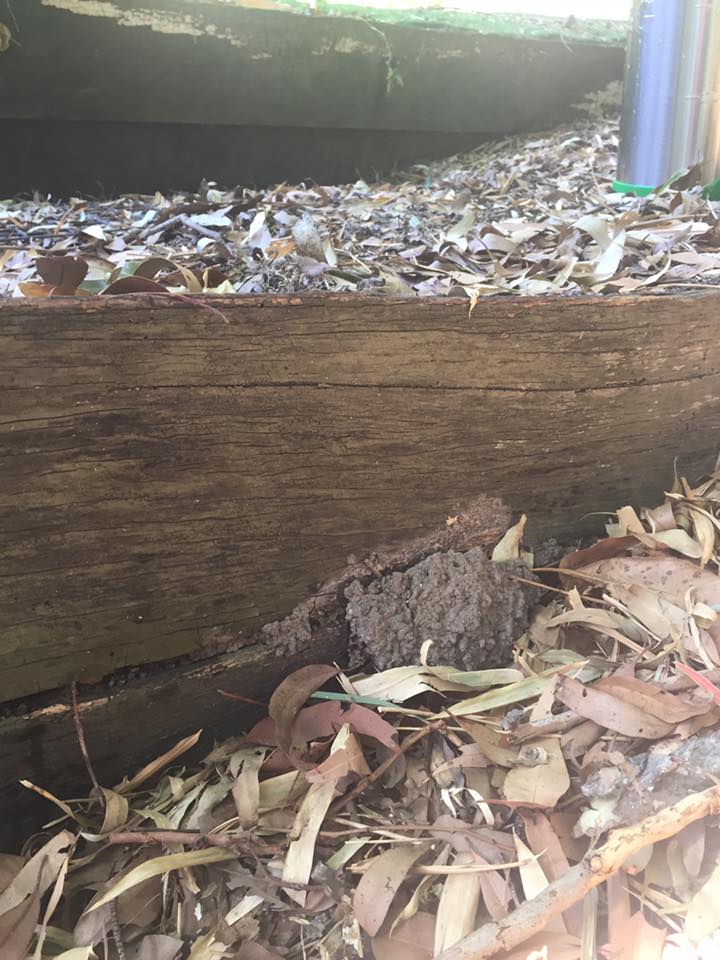
Why low stumps matter more than old stumps
Palmvale sits on river-flat land near Tumbulgum and North Tumbulgum, and the housing stock here is a mix of older stumped homes and working farmland. What stands out to me isn't just the age of these homes — it's how close to the ground a lot of them sit. A high-set Queenslander gives you a metre or more of clear airflow underneath, which helps timber dry out quickly after rain. A low-set home doesn't have that luxury: less airflow, slower drying, and a subfloor space that's genuinely harder to get into and inspect properly.
Add river-flat humidity and cane-land drainage patterns typical of this stretch of the Tweed, and you've got timber that stays damp for longer, sitting in a space that's harder to check without deliberately getting down and into it with a torch and mirror.
Treatment and prevention for low-set homes
Active termites get stopped first, then we plan long-term management — see termite removal vs treatment for how that decision gets made. Prevention on a low-set Palmvale home comes down to protecting what little ventilation exists: keeping subfloor vents clear of stored items, mulch or built-up soil, and not letting garden beds creep up toward floor level. A standing reinspection schedule matters more here than on a well-ventilated high-set home, simply because problems are harder to spot casually between visits. Ask about low-chemical options if that suits your household better.
Signs worth a call
- Musty or damp smell noticeable from inside the house, especially near external walls.
- Visible mud shelter tubes at the limited subfloor access points you can see without crawling in.
- Floors that feel slightly springy or uneven in specific rooms.
- Doors or windows sticking, or skirting boards that sound hollow when tapped.
Questions I get asked in Palmvale
Our house sits really low to the ground — does that make inspection harder?
It makes it slower, not impossible. A low-set home doesn't give me room to comfortably move around underneath the way a high-set Queenslander does, so I rely more on torch and mirror work from the edges and take more time checking accessible sections properly rather than assuming a quick look tells the full story.
Is Palmvale on the river flats prone to the same flooding concerns as other creek areas?
Being on the Tweed River floodplain near Tumbulgum, yes, Palmvale shares that general exposure. Combined with low subfloor clearance on a lot of the older homes, ground moisture has less room to evaporate away from the timber than it would on a high-set house.
Can we improve ventilation under a low-set home ourselves?
Sometimes, within limits. Clearing stored items and built-up soil away from vents, and making sure nothing is blocking existing subfloor vents, helps. Adding ventilation to a very low subfloor can be a bigger job and is worth discussing with a builder alongside your termite management plan.
Is Palmvale different from Tumbulgum itself?
Yes, they're neighbouring but separate localities. Palmvale is the rural land and older housing on the river flats around Tumbulgum and North Tumbulgum, rather than the township itself, and I book and report on it separately.
How do I book a Palmvale inspection?
Call me directly and mention roughly how old the home is and whether it's low-set — that alone changes how I plan the visit and how long I allow for it.
Who this is for
Owners of older, low-set homes on Palmvale's river flats, buyers weighing up a stumped property before renovating it, and landlords whose rental sits close to the ground where subfloor problems are easy to miss between visits. More on how I work is on the About Shannon page.
Related local termite resources

Book a Palmvale inspection
Call 0405 508 035 and let me know how much subfloor clearance your home has — even a rough guess helps me plan the visit properly.
Local, owner-operated, and used to getting into tight, low subfloors most inspectors would rather skip.